Marinating and brining are two culinary techniques that have been used for centuries to enhance the flavor and texture of proteins such as meat, poultry, and seafood. These methods involve soaking the proteins in flavorful liquids, infusing them with herbs, spices, and aromatics to create mouthwatering and succulent dishes. Whether you’re grilling, roasting, or pan-searing, understanding the art of marinating and brining allows you to take your culinary creations to new heights. In this article, we’ll delve into the secrets of marinating and brining, explore their unique benefits, and discover how to use them effectively to achieve flavorful and moist proteins.
The Art of Marinating
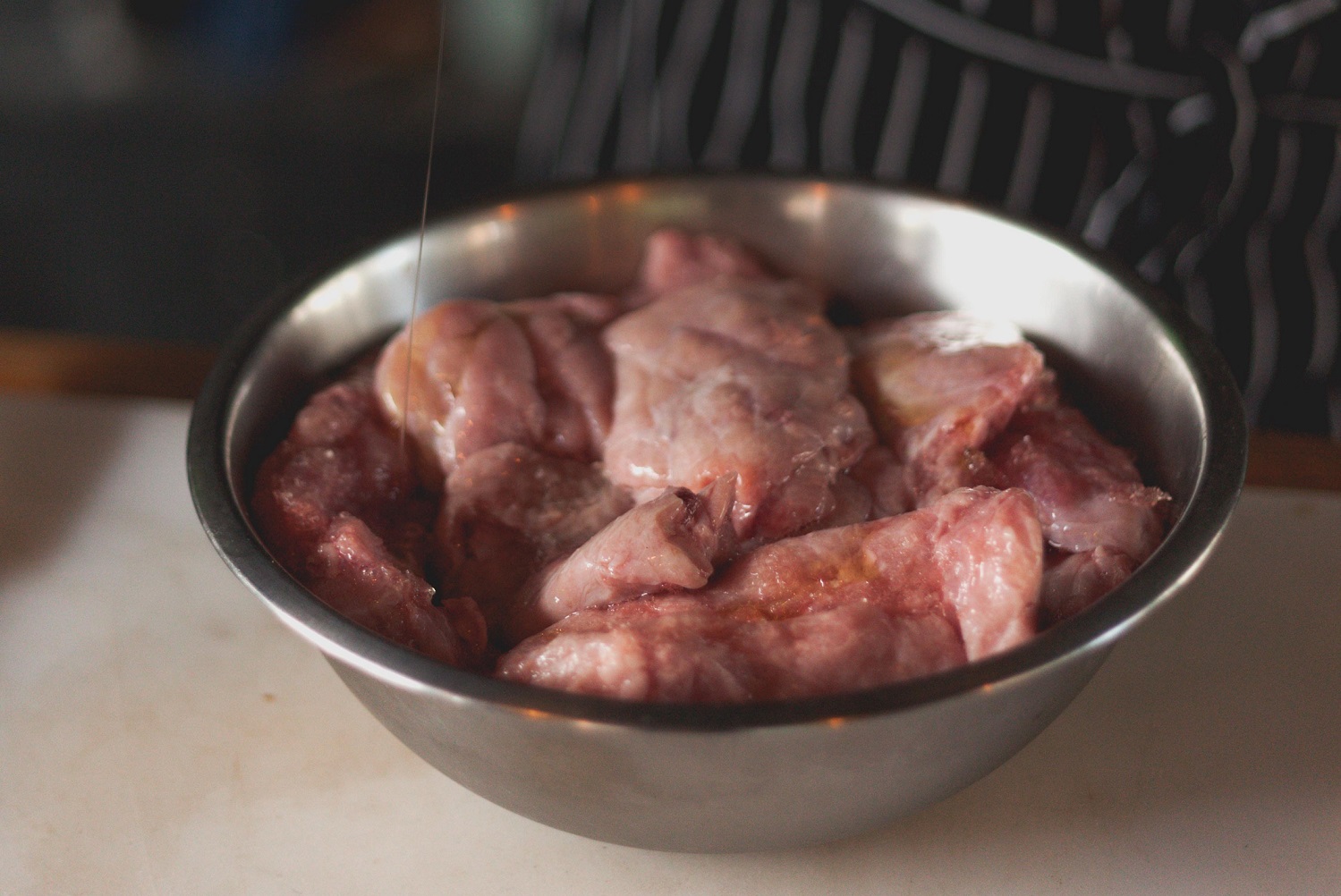
Marinating is a culinary technique that involves immersing proteins in a seasoned liquid, typically composed of acids (such as vinegar, citrus juice, or wine), oil, herbs, spices, and aromatics. The primary purpose of marinating is to infuse the proteins with a rich and complex flavor profile, while also helping to tenderize the meat or poultry. As the proteins soak in the marinade, they absorb the flavors, resulting in a delightful combination of tastes that enhance the natural characteristics of the protein.
Marinades come in a vast array of flavors and can be tailored to suit various types of proteins and culinary preferences. Here are some key points to consider when marinating:
- Acidic Components: The acidic ingredients in marinades, like vinegar or citrus juice, help break down the muscle fibers in the protein, making it more tender. However, avoid marinating for too long in highly acidic solutions, as it can lead to a mushy texture. The optimal marinating time depends on the protein’s thickness and the strength of the acid used.
- Oil: Including oil in the marinade helps coat the surface of the protein, preventing it from drying out during the cooking process. It also assists in carrying the flavors from the herbs and spices into the protein.
- Herbs and Spices: Experiment with various combinations of herbs and spices to create unique and flavorful marinades. Common herbs and spices used in marinades include garlic, ginger, thyme, rosemary, cumin, paprika, and chili.
- Marinating Time: The marinating time varies depending on the type and thickness of the protein. For thin cuts like chicken breasts or fish fillets, 30 minutes to an hour may be sufficient. For thicker cuts like roasts or large pieces of meat, marinate for several hours or even overnight in the refrigerator.
- Refrigeration: Always marinate proteins in the refrigerator to prevent bacterial growth. Do not leave proteins at room temperature while marinating, as it can lead to food safety concerns.
- Avoid Double-Dipping: Never reuse marinades that have come into contact with raw proteins, as they may contain harmful bacteria. If you want to use some of the marinade as a sauce, set aside a portion before adding the protein, or boil it before using it.
The Secrets of Brining
Brining is a process that involves soaking proteins in a saltwater solution, also known as a brine. The primary purpose of brining is to add moisture and flavor to the protein, making it juicier and more succulent when cooked. The salt in the brine causes the proteins in the meat or poultry to unwind and swell, allowing the muscle fibers to retain more water during cooking.
Unlike marinades, which primarily affect the surface of the proteins, brining penetrates deep into the protein, resulting in a juicier and well-seasoned interior. The additional moisture also helps buffer the proteins against overcooking, making it more forgiving to achieve perfectly cooked proteins.
Here are some tips to consider when brining:
- Salt Concentration: The ratio of salt to water in the brine is crucial. Too much salt can lead to an overly salty end product, while too little salt may not have the desired effect on the protein. A common guideline is to use around 1 cup of salt for every gallon of water, though you can adjust this to your taste preferences.
- Flavor Enhancers: While salt is the primary ingredient in brines, you can also add other flavor enhancers, such as sugar, herbs, spices, garlic, and citrus, to create a well-rounded flavor profile.
- Brining Time: The brining time depends on the size and type of protein. Small cuts like chicken breasts or shrimp may only require 30 minutes to an hour, while larger cuts like whole chickens or pork roasts may benefit from several hours or overnight in the brine.
- Rinse and Pat Dry: After brining, rinse the protein thoroughly under cold water to remove excess salt. Pat it dry with paper towels before cooking to ensure even browning and a crispy exterior.
- Adapt Brine for Protein: Different proteins benefit from specific brines. For example, a poultry brine may include herbs like thyme and sage, while a seafood brine might feature citrus and bay leaves. Tailor the brine to complement the protein you’re preparing.
Choosing the Right Proteins for Marinating and Brining
While both marinating and brining work wonders for enhancing flavor and texture, some proteins benefit more from one method over the other:
- Marinating: Marinating is particularly effective for leaner proteins that can benefit from the added moisture and flavor infusion. Examples include chicken breasts, pork chops, fish fillets, and certain cuts of beef.
- Brining: Brining is an excellent technique for meats with higher fat content and larger muscle fibers, such as whole chickens, turkey, pork roasts, and brisket. These proteins can be prone to drying out during cooking, making brining an ideal method for achieving juicy and tender results.
Combining Techniques for Maximum Impact
For the ultimate flavor and tenderness, consider combining marinating and brining. This two-step process involves brining the protein first to add moisture and then marinating it to infuse it with a wide range of flavors. The combined approach can produce incredibly flavorful and succulent dishes, especially for larger cuts of meat and whole poultry.
Experimentation and Creativity
The beauty of marinating and brining lies in their versatility. As you gain confidence in these techniques, don’t hesitate to experiment with different ingredients, proportions, and combinations to create your signature marinades and brines. The culinary world offers endless possibilities, so feel free to explore unique and international flavor profiles to bring excitement to your dishes.
Remember, the success of marinating and brining depends on factors such as marinating time, brine concentration, and the combination of ingredients used. Embrace the culinary journey and enjoy the process of crafting delectable and moist proteins that will tantalize the taste buds of family and friends. Happy marinating and brining!
As you continue your culinary exploration of marinating and brining, there are additional techniques and considerations that can further elevate the flavors and textures of your proteins. Let’s delve into some advanced tips and tricks to master these techniques:
- Injecting Marinades: For larger cuts of meat or poultry, consider using a marinade injector to infuse flavors directly into the interior of the protein. This method ensures even distribution of the marinade throughout, resulting in a more flavorful and juicy end product.
- Dry Brining: Dry brining, also known as salting, is a simplified brining technique that involves rubbing salt directly onto the surface of the protein. The salt draws out moisture from the meat, creating a concentrated brine, which is then reabsorbed, seasoning the protein from within. Dry brining is particularly effective for poultry, pork, and thick cuts of beef.
- Combining Sweet and Savory: Experiment with the combination of sweet and savory elements in your marinades and brines. The contrast of flavors can add complexity and intrigue to your proteins. For example, try combining honey with soy sauce, or brown sugar with aromatic spices.
- Acidic Components in Brines: While brines typically don’t contain acidic ingredients like marinades do, you can add a touch of acid, such as apple cider vinegar or citrus zest, to complement the flavors without compromising the brining process.
- Beer and Wine in Brines: Introducing beer or wine into your brine can add depth and complexity to the overall flavor profile of the protein. Choose a beverage that complements the other flavors in the brine.
- Using Dairy-Based Marinades: Dairy-based marinades, such as yogurt or buttermilk, are popular in many cuisines and are particularly effective for tenderizing proteins like chicken and lamb. The natural enzymes in dairy products help break down the proteins, resulting in a tender and flavorful dish.
- Layered Flavors: For an extra burst of flavor, consider layering flavors in your marinades. Start with a base of oil and acid, then add a variety of fresh herbs, spices, and aromatics to create a multi-dimensional taste experience.
- Reusing Brines: Unlike marinades, brines can be reused for multiple batches of protein as long as they remain refrigerated and have not come into contact with raw proteins. After using a brine, strain it to remove any solids and store it in the refrigerator for future use.
- Balancing Salt Levels: If you’re concerned about the saltiness of the brine, you can reduce the salt concentration slightly and extend the brining time. This helps maintain the desired level of seasoning while allowing the proteins to absorb the flavors fully.
- Incorporating Wood Smoke: If you’re using a smoker to cook your brined protein, consider using wood chips that complement the flavors of the brine. Different wood types, like hickory, applewood, or mesquite, add distinctive smoky notes to the meat.
- Combining Techniques for Time-Efficiency: When preparing large cuts of meat, combining marinating and brining can be a time-efficient approach. Brining first imparts moisture, then marinating adds additional layers of flavor.
- Using Ziplock Bags: For easy marinating and brining, use sturdy ziplock bags to hold the proteins and the marinade or brine. The bags allow for even coating of the protein and easy cleanup.
- Basting During Cooking: As you cook your marinated or brined proteins, consider basting them with the remaining marinade or a complementary sauce. Basting helps keep the surface moist and enhances the flavors further.
- Acidic Fruits in Marinades: Incorporating acidic fruits like pineapple or kiwi in marinades can tenderize tougher cuts of meat due to their natural enzymes. However, be cautious not to over-marinate, as the proteins can become mushy.
- Adjusting Flavors: Taste your marinades and brines before using them on the proteins, and adjust the flavors to your preference. You can add more spices, acidity, sweetness, or salt as needed to achieve a balanced and pleasing taste.
The Art of Balance
As you continue to experiment with marinating and brining, it’s essential to find the right balance of flavors and techniques for each protein you cook. The art lies in understanding how different proteins react to marinades and brines and tailoring your approach accordingly.
Keep in mind that marinating and brining are versatile techniques that can be adapted to suit various cultural cuisines and personal preferences. As you explore the vast world of flavors, you’ll discover exciting combinations that resonate with your palate and those of your loved ones.
Remember to consider the cooking method you’ll use for your proteins, as it can influence the effectiveness of marinating and brining. Grilling, roasting, pan-searing, or smoking can all be enhanced by the flavors and textures these techniques impart.
Embrace the Journey
The art of marinating and brining is a journey of culinary discovery, where creativity, experimentation, and a passion for great food come together. Embrace the process of refining your marinades and brines to craft memorable and delicious protein dishes that leave a lasting impression.
From savory herbs and spices to sweet and tangy marinades, the possibilities are endless. As you master the techniques of marinating and brining, your culinary repertoire will expand, and you’ll find yourself confidently preparing flavorful and moist proteins that delight the senses and bring joy to those gathered around the table. Happy cooking, and may your culinary adventures be filled with delicious discoveries!